Cold heading machines may experience feeding inaccuracies, dimensional deviations, forming cracks, abnormal vibration, and overloads during fastener production. These problems can result from material conditions, die wear, machine adjustments, or drive system faults. Effective troubleshooting starts with identifying the symptoms and the stage at which the fault occurs.
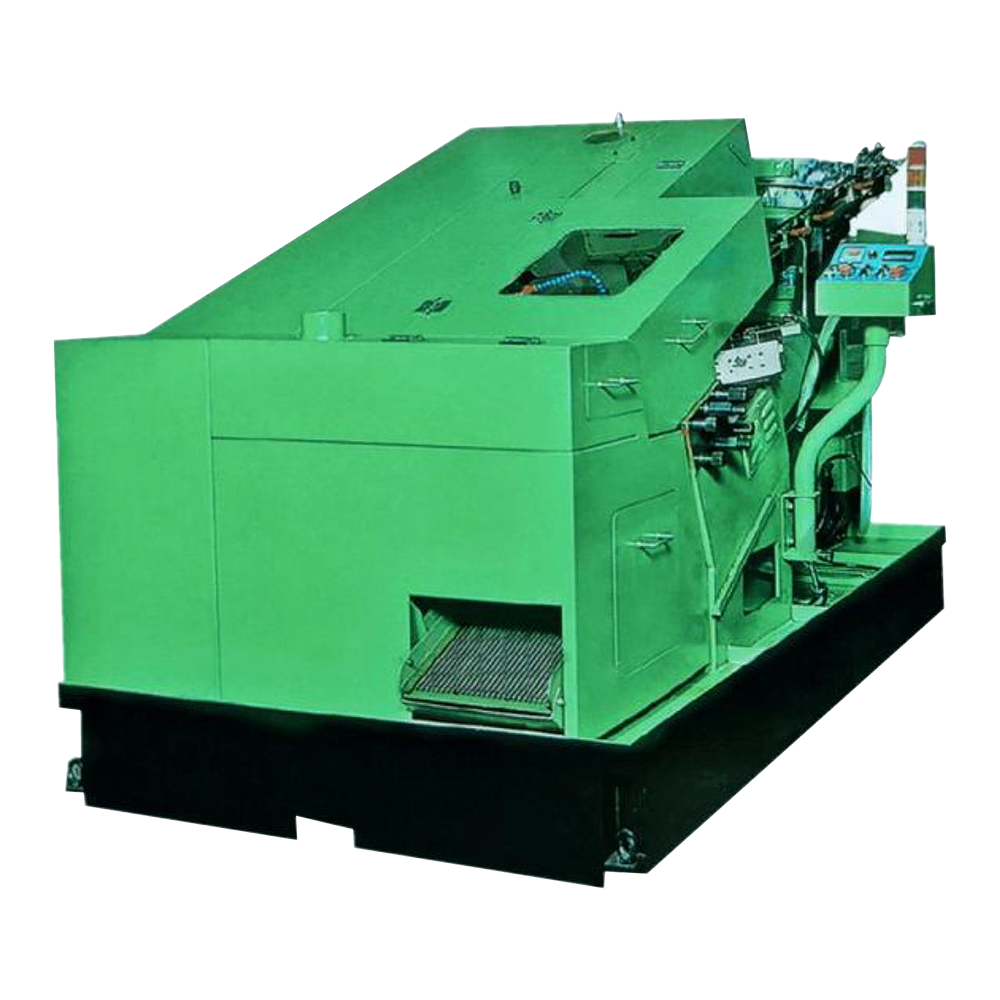
1. Basic Steps for Cold Heading Machine Troubleshooting
1.1 Stop the Machine and Ensure Safety
⏻Stop the machine promptly if abnormal noise, severe vibration, die damage, or an overload alarm occurs. Before inspection or maintenance, isolate energy sources according to the machine’s safety procedures to prevent unexpected startup. Never remove guards or access moving parts while the machine is running.
1.2 Identify the Stage Where the Fault Occurs
Determine whether the problem occurs during startup, feeding, cutting, or heading. For example, inconsistent feed length calls for an initial inspection of the feeding mechanism, while dimensional deviations during forming may require checking the dies, alignment, and process settings.
1.3 Record Fault Information
Record alarm codes, the time of occurrence, material specifications, product dimensions, and observed symptoms. Use the machine manual to guide further checks. Electrical, drive system, and internal transmission faults should be diagnosed by qualified maintenance personnel.
▸Documentation matters: Alarm codes and material batch records accelerate root cause analysis.
2. Common Cold Heading Machine Problems and Solutions
| Fault |
Possible Causes |
Troubleshooting Methods |
| Machine fails to start |
Power supply problems, emergency stop not reset, safety interlocks not satisfied, or control system faults |
Check alarm messages, emergency stop status, and safety interlocks. Have qualified personnel inspect the electrical circuit if necessary. |
| Inaccurate feed length |
Slipping feed rollers, misaligned guides, bent wire, or worn feeding components |
Inspect the feed rollers, guides, and material condition. Measure the actual feed length. |
| Dimensional deviations or incomplete forming |
Die wear, poor alignment, incorrect feed settings, or unsuitable material specifications |
Measure the product and inspect the dies, installation alignment, feed settings, and material specifications. |
| Cracks in formed products |
Insufficient material ductility, material defects, excessive deformation in one forming stage, or incompatibility between the die design and process |
Check the material batch, crack location, forming process, and die condition. Conduct further analysis if needed. |
| Burrs on products |
Worn cutting blades, irregular cutting, or unsuitable clearances between related components |
Inspect the cutting edges, cutting process, and relevant component clearances. |
| Abnormal vibration or overload |
Mechanical jamming, loose fasteners, bearing or transmission faults, insufficient lubrication, or drive system problems |
Stop the machine and inspect mechanical components and lubrication. Use alarm information to guide further diagnosis. |
▸These are common troubleshooting directions rather than definitive diagnoses. Actual causes depend on the machine model, inspection results, and manufacturer instructions.
3. How to Reduce Cold Heading Machine Failures
- ✓Perform routine inspections: Check lubricant levels, oil supply, feeding conditions, safety guards, and alarm messages. Inspect transmission and guide components according to the maintenance schedule.
- ✓Install and adjust dies correctly: After changing dies, verify their positioning, alignment, and feeding operation. Adjust the machine according to the applicable process requirements.
- ✓Control material quality: Verify wire dimensions, surface condition, and material properties. If cracks occur, investigate the material batch and forming conditions.
- ✓Maintain fault records: Document symptoms, alarm messages, suspected causes, and corrective actions to identify recurring problems and improve maintenance planning.
⚠Lubricant types, application points, and maintenance intervals should follow the machine manufacturer's instructions.
If persistent overloads, severe vibration, or die breakage occur, stop the machine and arrange professional inspection. Resume production only after the fault has been addressed and safe operation confirmed.
Conclusion
Effective cold heading machine troubleshooting starts with safety, identifies the stage where the fault occurs, and then examines the relevant systems. Product inspection, alarm records, and preventive maintenance help reduce recurring downtime and improve machine reliability and fastener quality.